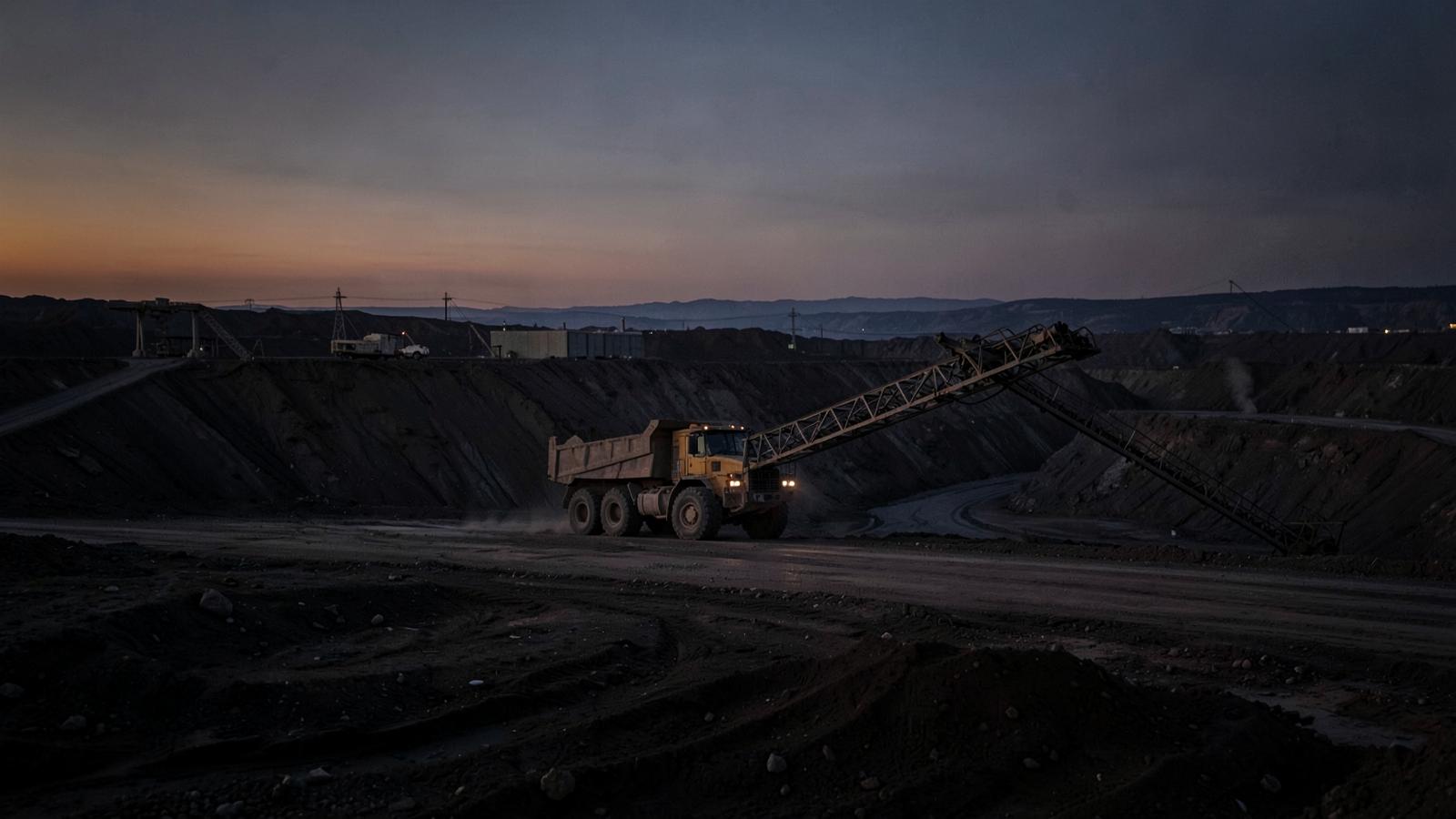
Mining & Minerals
Packaging and handling of mined and processed dry materials.
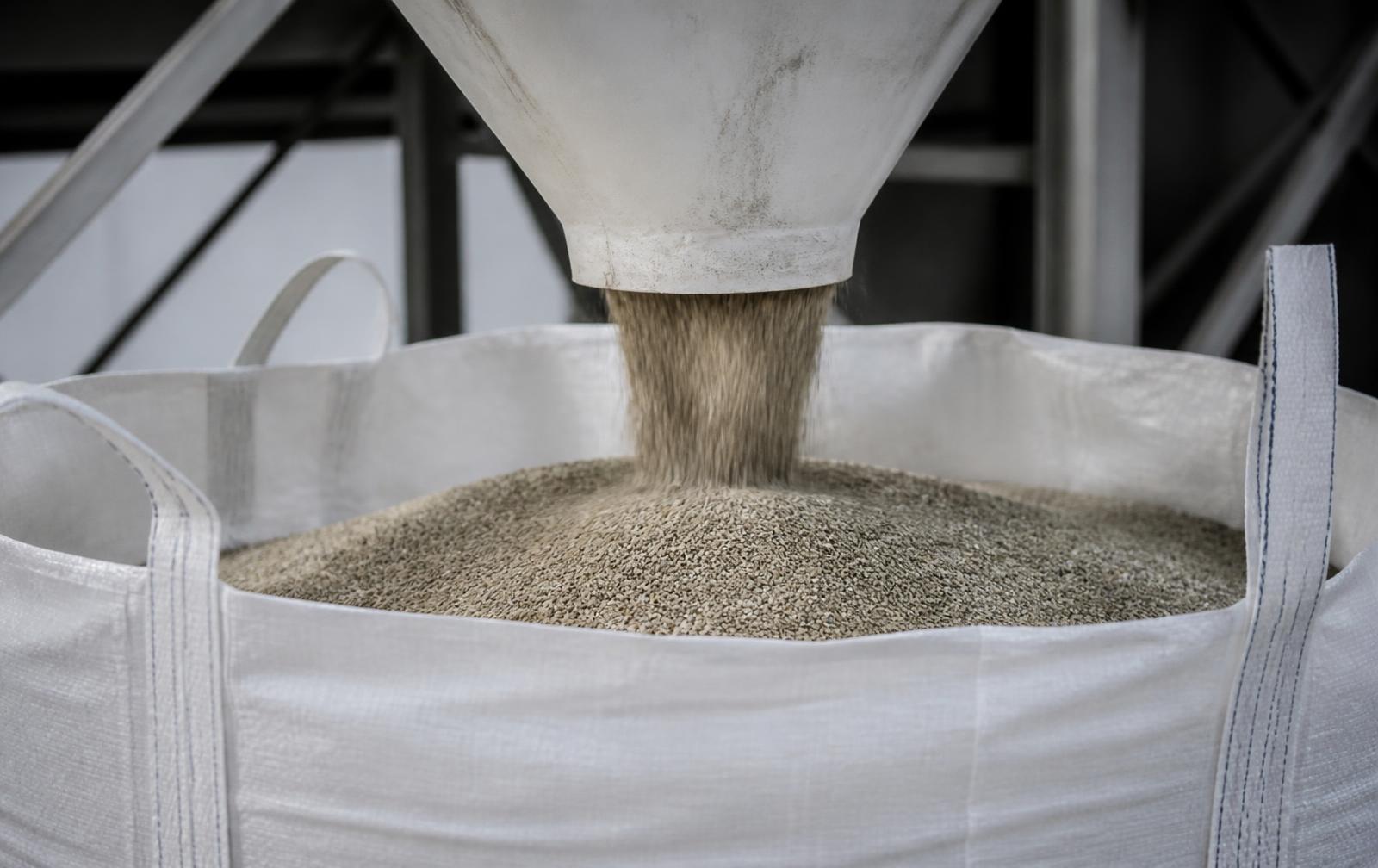
Woven polypropylene bulk bags — also known as FIBCs — for the packaging, storage and handling of dry products.
A bulk bag is not a single fixed product. Each element is chosen against the material being packed and the way it will be handled. Select a part to see what it affects.
Loops at the top corners allow the bag to be lifted and positioned by forklift or crane. Loop style, length and arrangement are confirmed against the handling method and the applicable supplier specification.
Bags are filled through the opening specified for the application — a filling spout, an open top or a skirt. The filling method, the equipment used and whether the bag is closed after filling all influence which top configuration is suitable.
Handling, lifting, stacking and storage practices remain the responsibility of the party using the bags, and must follow the applicable supplier specification together with the customer’s own site procedures. MKAT does not issue load ratings or certification.
We work through these together before anything is confirmed. Nothing here is a fixed MKAT specification — it is the conversation that leads to one.
The product being packed is the first input. Bulk density, particle size, moisture sensitivity and how the product behaves when it flows all inform the fabric, any coating and whether a liner is appropriate.
These are the areas where bulk packaging requirements commonly arise. Suitability for any particular product is confirmed against the applicable supplier specification.
Packaging and handling of mined and processed dry materials.

Site materials and dry products moved in bulk quantities.
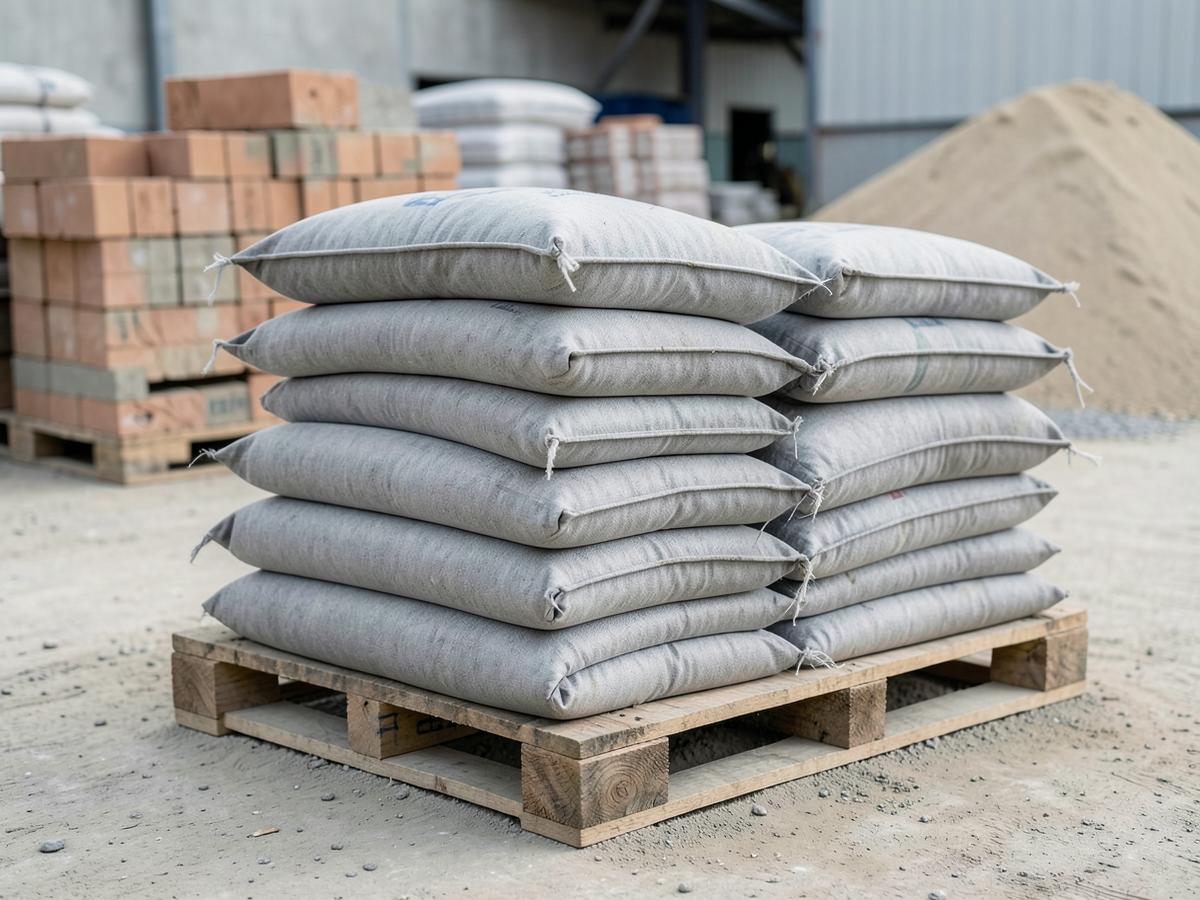
Dry cementitious products and aggregate requirements.
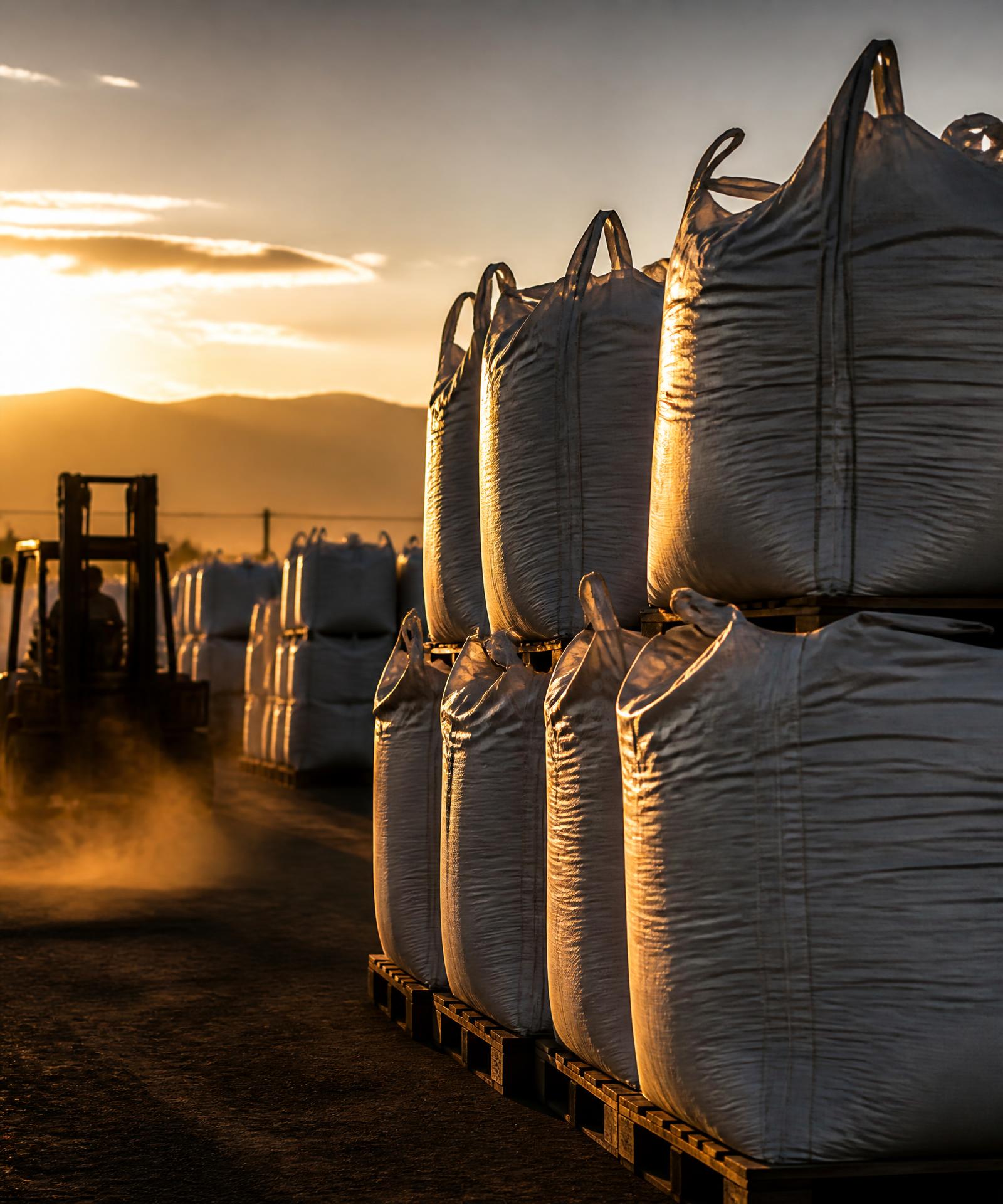
Dry agricultural products, including fertiliser and milled products.
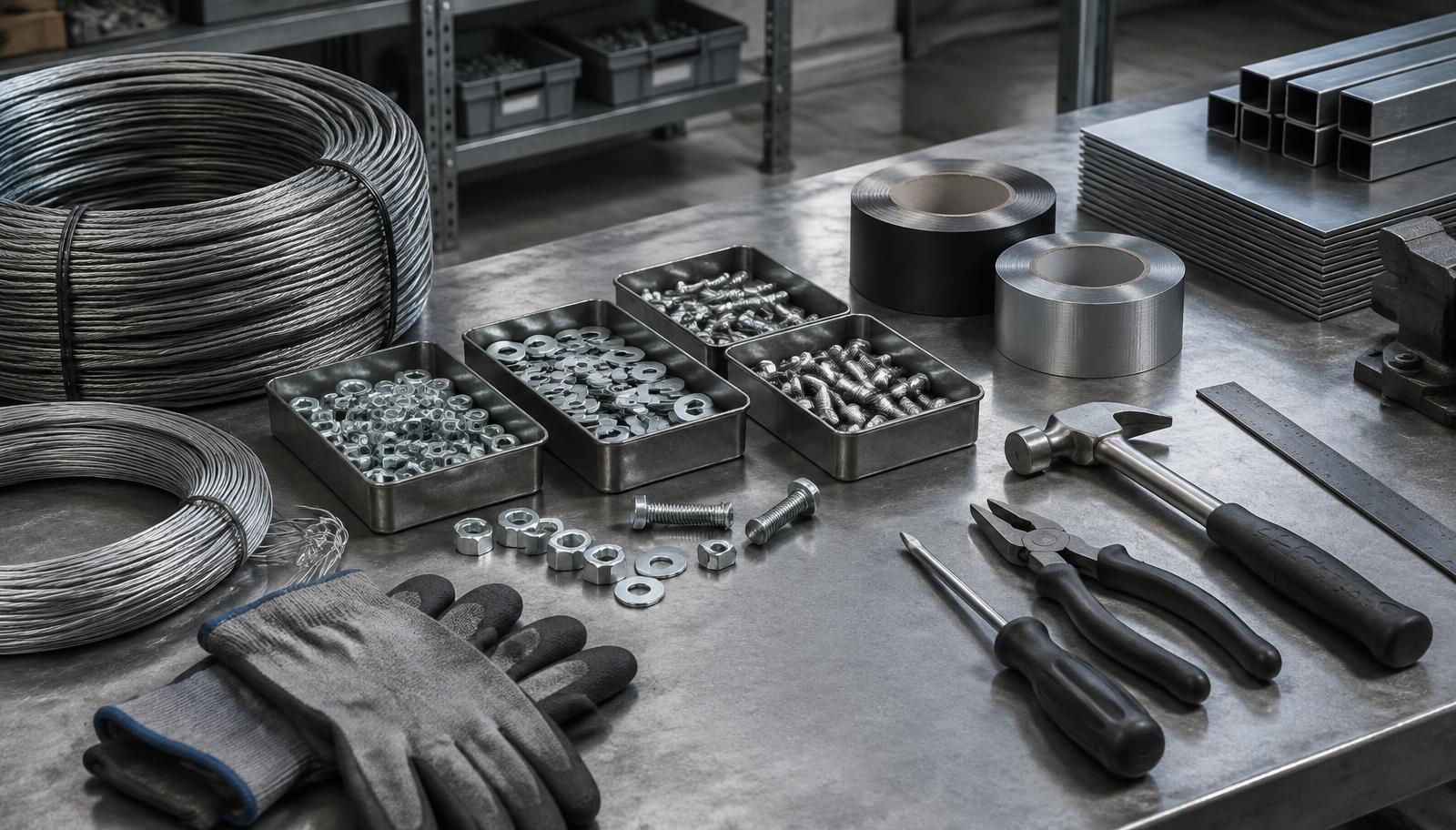
Dry industrial products where the configuration follows the material.
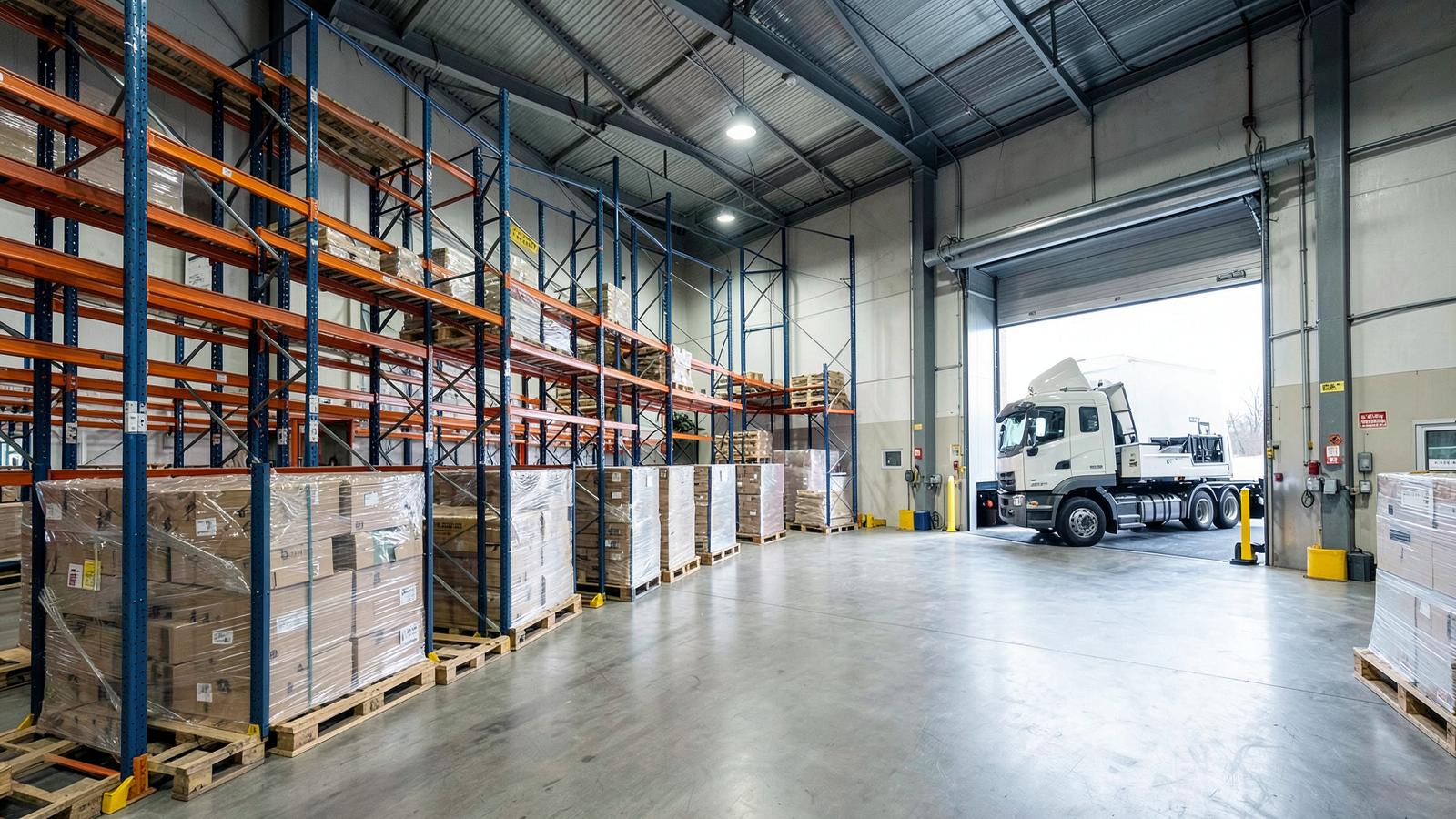
Bulk packaging for consignments moving by container or road.
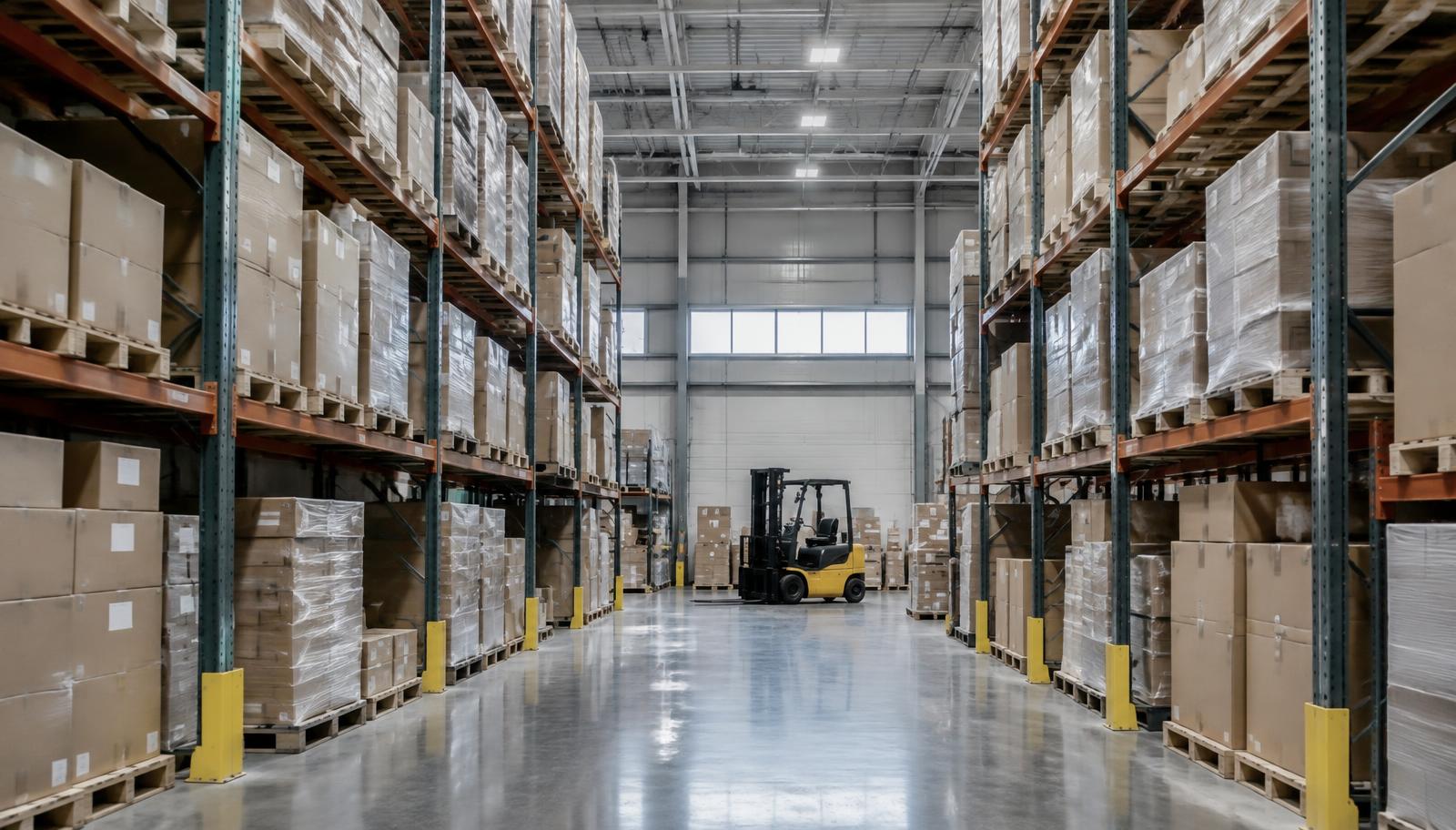
Suitability, including any food-contact requirement, confirmed against the applicable supplier specification.
Consolidated bulk packaging for mixed dry product requirements.
Application areas describe requirements we can discuss. They do not imply existing contracts, accreditations, certifications or approvals for any specific product class.
You do not need every answer before getting in touch — but the more of these you can tell us, the more practical our response will be.
The material comes first.
Name the product and, if you know it, its bulk density and particle size.
Mass or volume, not a bag size.
Tell us the mass or volume you need to move in a single bag.
Equipment decides the top.
Spout, open top or skirt — and whether the bag is closed after filling.
Discharge drives the base.
Spout, full-opening base or cut open, and whether it is reclosed between uses.
Loops follow your equipment.
Forklift, crane or lifting frame, and the access available on site.
Woven fabric is not waterproof.
Where the bag is filled and stored, and how long it stands filled.
Conditions change the answer.
Indoor or outdoor storage, stacking arrangements, and the transport route.
Identification travels with the bag.
Printing, labelling or a documentation pouch, and any colour requirement.
Send us your bulk packaging enquiry, product list or procurement schedule and we will come back to you with a practical supply solution.